
How To Make Pumpkin Purée
You don’t need to buy those sad little cans of “pumpkin” (which, by the way, are often not even pumpkin). Making homemade pumpkin purée is easy, cheaper, and actually tastes like fall. In this post, I’ll walk you through how to make pumpkin purée from scratch, what pumpkins are best for baking. Once you try the real thing, you’ll never go back to canned.
COOKING GUIDEEASY
10/10/20253 min read
Homemade Pumpkin Purée
Feel like a homesteader even if you get your pumpkins from Wegmans
There’s just something about making pumpkin purée from scratch, it smells like fall, and makes you believe you could survive on a homestead (even if your pumpkins came from Wegmans).
Ingredients
Pumpkin of choice (See pumpkin guide for help choosing)
Directions
Preheat the oven.
Set your oven to 400°F (205°C). Grab a sturdy cutting board—things are about to get real.Prep the pumpkin.
Slice your pumpkin in half from top to bottom (watch your fingers), and scoop out the seeds and stringy bits. you don’t have to toss the seeds— you can roast them for a snack later.Roast it up.
Slap it on a baking sheet. Roast for 40–50 minutes, or until a fork slides in easily and the edges look a little caramelized.Scoop and blend.
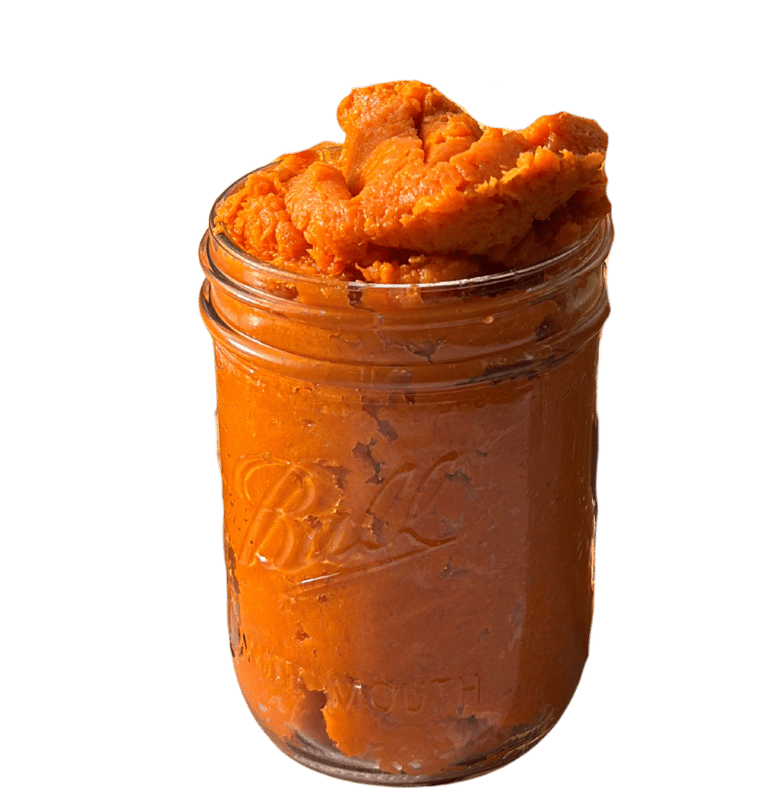
Once it’s cool enough to handle, scoop the flesh into a blender or food processor and blend until silky smooth.Strain and store.
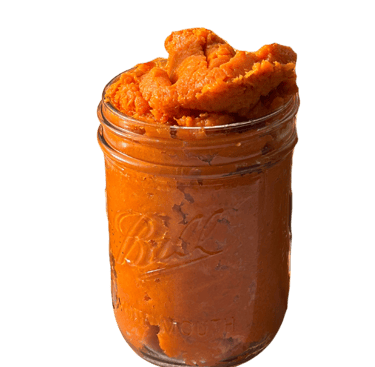
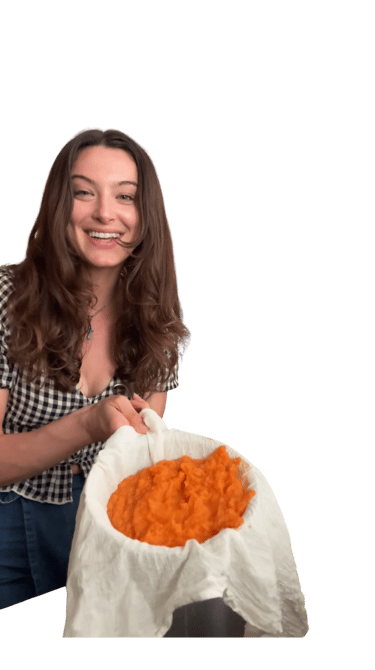
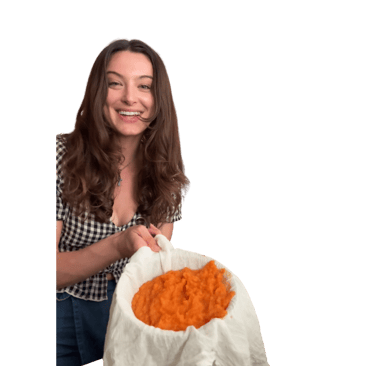
If your purée looks watery or if you intend to use this for baking you must strain it. Strain it through a fine mesh sieve or cheesecloth for 20–30 minutes until thick and creamy. Store in the fridge for up to 5 days or freeze for later.
Pumpkin Guide: The Best Pumpkins for Baking, Cooking, and Puréeing
Not all pumpkins are created equal. Some are sweet and silky, others taste like wet cardboard and regret. If you’ve ever wondered why your pumpkin pie turned out bland, there’s a good chance you just picked the wrong one. Here’s your quick guide to picking the right pumpkin for the job.
Pumpkins That Actually Taste Good
Sugar Pie Pumpkin (aka Pie Pumpkin)
Flavor: Mildly sweet, classic pumpkin flavor, the go-to for pies and purée.
Texture: Smooth and dense, easy to blend.
Why it’s great: Easy to find, consistent results, and small enough for most ovens.Fairytale Pumpkin (aka Musquée de Provence)
Flavor: Deeply sweet and slightly nutty, basically the crème brûlée of pumpkins.
Texture: Silky and velvety.
Why it’s great: Gorgeous to look at and genuinely worth roasting. My personal favorite.Cinderella Pumpkin (aka Rouge Vif d’Étampes)
Flavor: Sweet, buttery, and mild, like pumpkin meets sweet potato.
Texture: Soft but not stringy.
Why it’s great: Makes dreamy pies and purée, and looks great on your porch in the meantime.Jarrahdale Pumpkin
Flavor: Slightly savory and earthy with a mild sweetness.
Texture: Firm and smooth.
Why it’s great: Perfect for savory dishes like soups, curries, or roasted veggie sides.Long Island Cheese Pumpkin
Flavor: Sweet, slightly floral, and similar to butternut squash.
Texture: Creamy and dense.
Why it’s great: This heirloom variety is a baker’s favorite, it’s basically the butternut squash of the pumpkin world.
Pumpkins to Avoid
Carving Pumpkins:
Big, orange, and watery. Great for jack-o’-lanterns, terrible for pie. The flesh is stringy and flavorless, like trying to bake with damp paper towels.
“Decorative” Pumpkins:
If it looks like it belongs in a Trader Joe’s fall display, it probably shouldn’t end up in your oven.
Quick Tips for Picking a Good Pumpkin
Look for pumpkins that feel heavy for their size, dense means flavorful.
Skin should be matte and firm, not shiny or soft.
Skip anything with cracks, soft spots, or weird smells.
Small and squat = sweet and rich. Big and hollow = mostly air and disappointment.
Join The Grub Club!
Get exclusive recipes, meal plans, and more!